 |
Assignment 2 |
|
|
|
Assignment 2 |
|
1. Women in the United States continue to be paid less than men overall. Nationally, in 2003, the median weekly earnings of female full-time wage and salary workers totaled $552, while it was $695 for males. (Data is from the Bureau of Labor Statistics report http://www.bls.gov/cps/cpswom2003.pdf )
a. What percent of male full-time wage and salary worker median weekly earnings does the female median weekly earnings represent? (This percentage is often called the women-to-men's earning ratio.)
b. Using the data above ($552 for females and $695 for males), make a bar chart that purposely exaggerates the difference between men and women. Paste it into your Word document.
c. Using the data above ($552 for females and $695 for males), make a bar chart that purposely makes the difference between men and women seem small. Paste it into your Word document.
d. In the spirit of the story of Goldilocks, make a graph of the data that you feel gives the most accurate, non-biased view of the difference between male an female wages.
2. In the Bureau of Labor Standard's report
http://www.bls.gov/cps/cpswom2003.pdf, the authors include the following
complex chart.
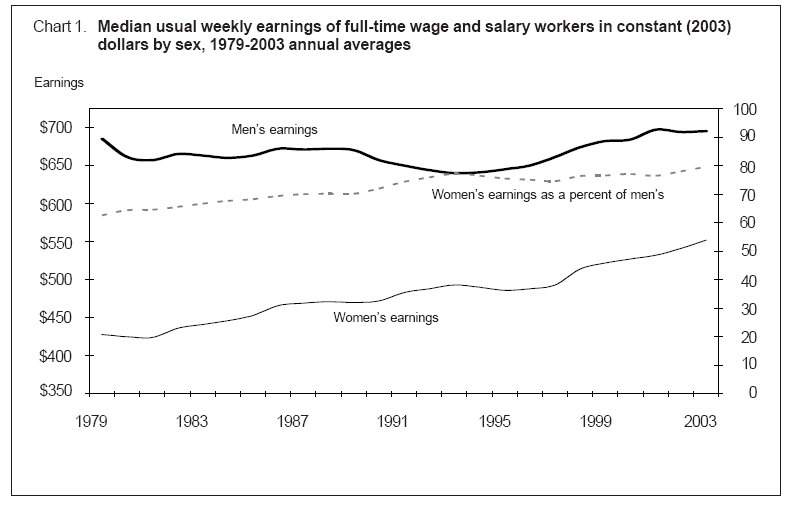
a. In a 5-7 sentence paragraph, carefully describe the graph. What do you want you audience to know about the data you graphed? Address the following questions in your paragraph:
b. In the graph above, the line depicting women's earnings as a percent of men's intersects the men's earning line around 1994. Briefly explain what this occurrence on this graph tells you about women's and men's earnings around 1994.
3. Another graph found in the Bureau of Labor Standard's report http://www.bls.gov/cps/cpswom2003.pdf shows the following:
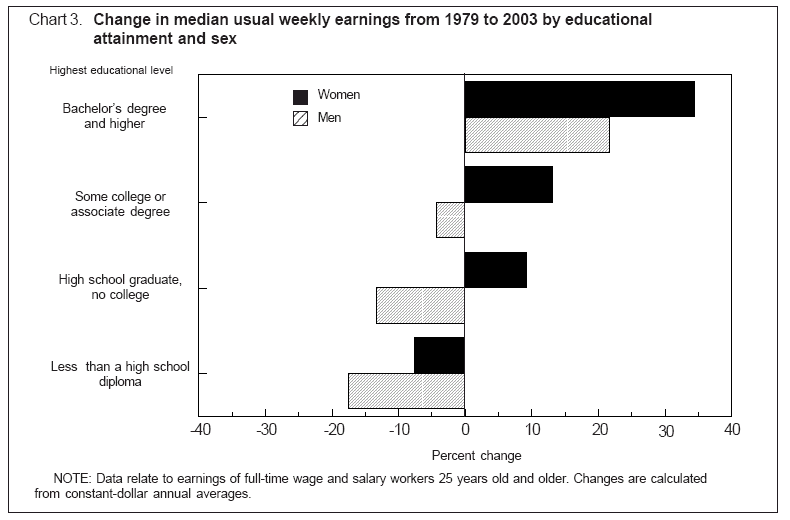
a. What type of graph is this graph?
b. True or False: The graph shows that women with bachelor's degree or higher earn more than men with bachelor's degrees or higher. Briefly explain your answer.
c. In a 5-7 sentence paragraph , carefully describe what this graph tells about changes in women's and men's earnings from 1979 to 2003. Address the following questions in your paragraph:
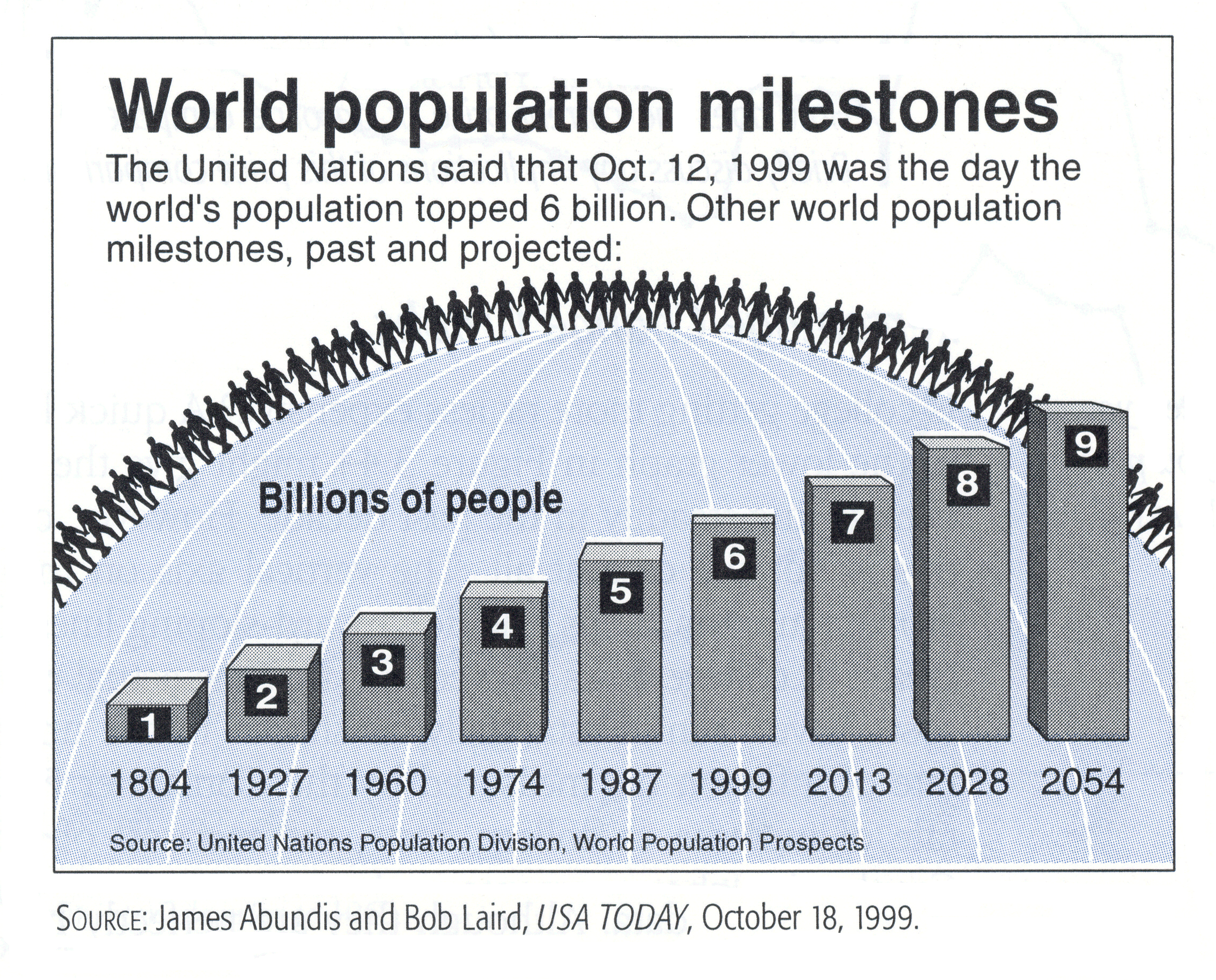
4. Critique the following graph: